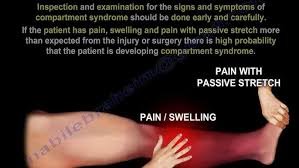
Compartment syndrome is a serious condition where increased pressure within a muscle compartment reduces blood flow, leading to pain, swelling, and potential tissue damage. While acute cases require immediate medical attention, some chronic or mild symptoms can be managed with proper in-home strategies to support recovery. Doorstep compartment syndrome relief focuses on pressure release, circulation support, and safe exercises to reduce discomfort and prevent further injury.
Understanding Compartment Syndrome
Compartment syndrome occurs when pressure builds within the enclosed spaces of muscles, typically in the lower legs, forearms, or hands. This pressure can impede blood flow, depriving muscles and nerves of oxygen. Acute compartment syndrome is a medical emergency, while chronic exertional compartment syndrome develops gradually, often triggered by repetitive activity.
Early symptoms include:
-
Tightness or swelling in the affected area
-
Tingling or numbness
-
Pain that worsens with activity and eases with rest
-
Muscle weakness
Recognizing these signs early is crucial to prevent long-term damage. For professional guidance and additional support, you can access resources through 출장.
Causes of Compartment Syndrome
Compartment syndrome may result from:
-
Repetitive exercise or overuse, such as running or cycling
-
Direct trauma or fractures
-
Tight casts, bandages, or braces
-
Muscle swelling due to injury or inflammation
Chronic cases are often linked to overuse, where repeated muscle exertion increases pressure in the compartment.
Initial Relief: Reducing Pressure
Immediate strategies to relieve pressure and discomfort include:
-
Elevation: Raise the affected limb above heart level to reduce swelling.
-
Ice Therapy: Apply ice for 15–20 minutes several times a day to decrease inflammation.
-
Gentle Stretching: Light stretches can help relieve tightness, but avoid overexertion.
These measures help manage symptoms at home while preparing for professional evaluation.
Supporting Circulation
Improved blood flow is essential for pressure release and healing. Techniques include:
-
Compression wraps: Mild compression can support circulation without increasing compartment pressure.
-
Movement breaks: Frequent walking or gentle mobility exercises improve oxygen delivery to tissues.
-
Massage: Gentle soft tissue massage may reduce localized tightness and enhance blood flow.
Always consult a healthcare provider to ensure these methods are safe for your specific condition.
Gradual Activity Modification
For chronic exertional compartment syndrome, modifying activity intensity is key. This involves:
-
Reducing high-impact exercises temporarily
-
Gradually increasing workout duration and intensity
-
Incorporating low-impact activities, such as swimming or cycling
-
Ensuring proper warm-up and cool-down routines
A structured activity plan prevents further pressure buildup while maintaining fitness.
Ergonomic Adjustments
At home, ergonomic adjustments can reduce stress on affected compartments:
-
Wearing supportive footwear during daily activity
-
Avoiding prolonged tight bandages or restrictive clothing
-
Adjusting posture and workspace to reduce repetitive strain
These small adjustments contribute significantly to symptom relief.
Nutrition and Recovery
Nutrient-rich diets support muscle health and recovery. Focus on:
-
Adequate hydration to maintain tissue perfusion
-
Anti-inflammatory foods such as fruits, vegetables, and omega-3 sources
-
Protein to support tissue repair
Balanced nutrition aids in reducing swelling and supporting overall muscle function.
Monitoring and Professional Care
Chronic compartment syndrome requires ongoing monitoring. If pain persists or worsens, consult a licensed professional. Warning signs for urgent care include:
-
Severe, unrelenting pain
-
Numbness or tingling
-
Swelling that doesn’t subside with rest
-
Muscle weakness
Licensed specialists can provide diagnostic evaluation and advanced treatment options. For expert guidance on managing chronic overuse conditions, 출장 offers reliable resources.
Preventing Recurrence
Once symptoms are under control, prevention is key. Strategies include:
-
Gradually increasing exercise intensity
-
Incorporating cross-training to avoid repetitive stress
-
Using supportive footwear and protective gear
-
Monitoring for early signs of pressure or swelling
Consistent preventive practices help maintain long-term muscle health and reduce the risk of compartment syndrome.
Final Thoughts
Doorstep compartment syndrome relief focuses on safe pressure release, circulation support, and gradual return to activity. While acute cases require urgent care, mild or chronic symptoms can often be managed at home with structured strategies. Combining rest, movement modification, ergonomic adjustments, and proper nutrition supports recovery and prevents further injury.
For comprehensive professional advice and recovery tools, visit 출장 to explore expert-backed guidance for managing compartment syndrome and other overuse injuries.