
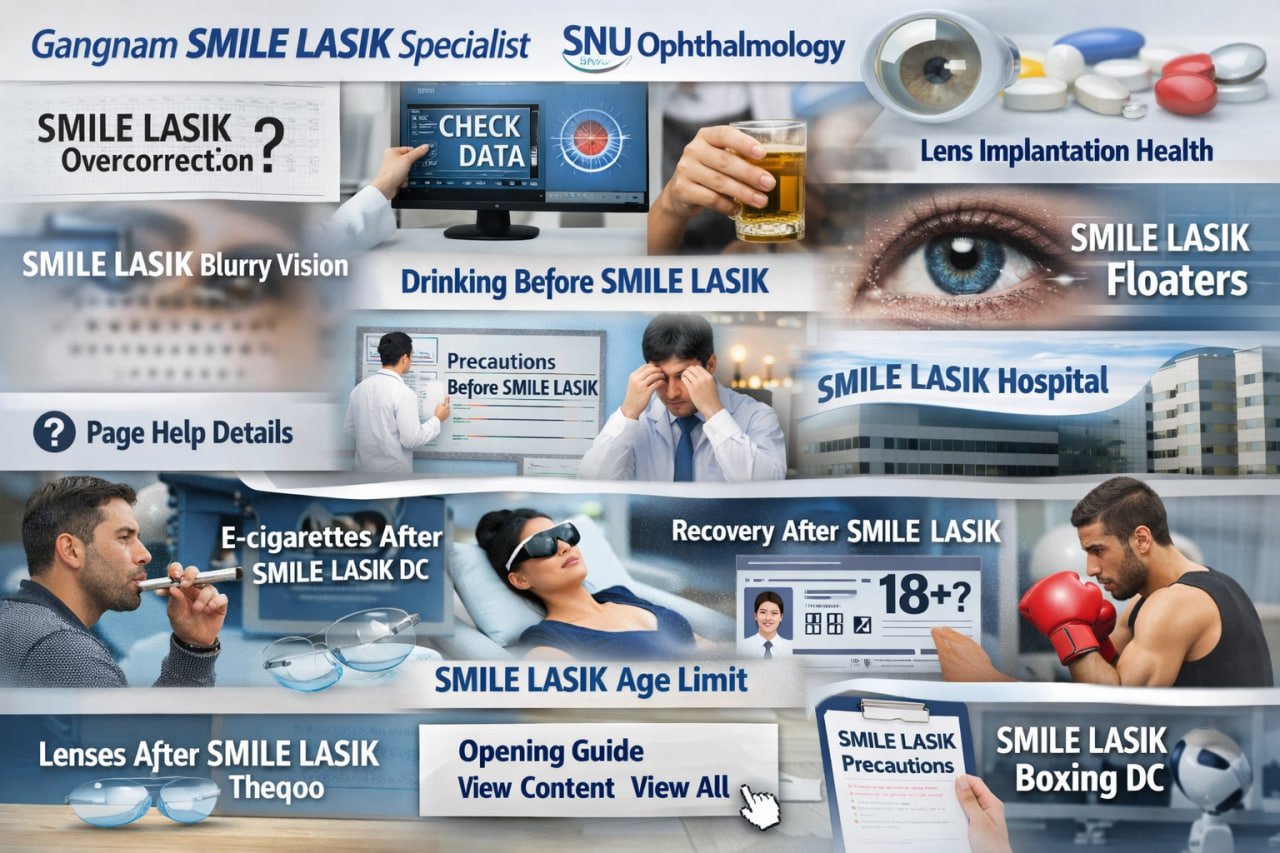
Introduction to Pre-Operative Precautions
SMILE LASIK is a sophisticated procedure that requires careful preparation to maximize safety and effectiveness. At Snuseoul Eye Clinic, SNU Ophthalmology specialists emphasize the importance of pre-operative precautions, including lifestyle adjustments, medical assessments, and understanding patient-specific risks.
Key Pre-Surgery Guidelines
Before undergoing SMILE LASIK, patients should avoid alcohol and electronic cigarettes, as these can compromise corneal hydration and healing. Vision correction candidates should also discontinue contact lens use for a period determined by their ophthalmologist, ensuring accurate corneal measurements.
Other important pre-surgery guidelines include reviewing medical history for conditions such as diabetes or autoimmune disorders, which may affect healing, and discussing any medications that could interfere with corneal recovery. snuseoul specialists use advanced imaging to evaluate corneal thickness and overall eye health, ensuring precise treatment planning.
Lifestyle Adjustments and Eye Protection
Patients are advised to minimize activities that increase eye strain, such as extended screen time or strenuous physical activity, before surgery. Maintaining eye hygiene and avoiding makeup or facial creams helps reduce infection risk. Proper sleep, hydration, and nutrition also play an essential role in corneal health and post-operative recovery.
Recovery Process After SMILE LASIK
Post-operative care is equally critical to achieving successful outcomes. Initial symptoms may include mild blurry vision, tearing, or light sensitivity, which usually improve within a few days. Patients should avoid rubbing their eyes and follow prescribed eye drop schedules to prevent infection and maintain lubrication.
During the first week, patients should limit exposure to dust, smoke, and screens to prevent irritation. Activities like swimming, contact sports, or vigorous exercise should be postponed until the ophthalmologist confirms sufficient healing. At Snuseoul, doctors advise a gradual return to normal activities, emphasizing the importance of patience during recovery.
Monitoring and Follow-Up Care
Regular follow-ups are scheduled to monitor corneal healing and vision stability. Patients should report any unusual symptoms, such as persistent floaters, blurred vision, or halos around lights. Early detection allows prompt intervention, reducing the risk of long-term complications. The “자료 자료 확인” approach used at Snuseoul ensures every detail of post-operative progress is carefully documented and addressed.
Additional Tips for Optimal Healing
Patients are encouraged to wear UV-protective sunglasses, maintain a balanced diet rich in vitamins and antioxidants, and stay hydrated. Avoiding smoking and electronic cigarettes significantly improves recovery outcomes. Snuseoul specialists also provide personalized recommendations based on age, lifestyle, and vision needs, including lens implantation surgery for patients unsuitable for SMILE LASIK.
Conclusion: Comprehensive Care for Safe Outcomes
Pre-operative precautions combined with meticulous post-operative care are crucial for successful SMILE LASIK outcomes. By following Snuseoul Eye Clinic’s guidelines and maintaining open communication with ophthalmologists, patients can achieve optimal vision correction and long-term eye health. Recovery is a process that requires attention to detail, patience, and consistent follow-up to ensure the best possible results.